Bonjour, Hello and Guten Tag!
Ok, heeere we go. The second post. Like the highly anticipated second album of any self-respecting artist, it may diverge a bit from the previous release. In style, in quality but most importantly in perspective. It may disappoint some fans but then it will win new ones too… the band hopes…
The pressure is on, to follow Becca’s eloquent first article, to continue the narrative and not to let my odd German grammar ruin your beautiful English language (she does have an English language degree I might add whereas I’m working with an old A-level. So be gentle with me).
Aaah, February! Sometimes it’s the waiting room equivalent of the year. The month that lies between the ‘up and go’ motivation of January and the “well, I guess it’s just another year” resignation of March. Later in spring we will all start thinking about summer. Some of us will be dug in deep with work, the usual life-admin or that project that 2020 held in store. Things may continue down the same old trodden paths after that; sitting in traffic jams during May holiday weekends, getting sunburned in June, too much grilled meat in July, forgetting all your new year’s diet resolutions throughout August and September, lamenting the end of summer during October and finally, in November, stocking up on chocolate and dessert wine for Christmas (just in case it all sold out by December)… we wouldn’t want to be healthy over Christmas after all!
But what happened there? January came with so much promise. The promise of less alcohol maybe? The promise of less belly fat? The promise to keep up with friends better? The promise to “get your life together”? Where did it all go wrong again? Or did it go wrong? Did it just go the same? We fall so easily back into the same habits, the same patterns.
February is often the make or break point for our new habits. It’s the month which reveals your level of commitment to your January aspirations. It’s a well-known fact that gym membership numbers increase drastically in January and gym attendance drops steeply again in February, followed shortly by membership cancellations by the end of the month and into March. Every year.
So, what’s going on there? Simply put, the majority of people find it difficult to break bad habits and form new, better ones. If that rings true to you, if you also find yourself struggling with a change in lifestyle you have been trying to achieve, you are not alone. Making new habits and breaking the old ones is a struggle. It’s the main reason why diabetes, heart disease and cancer are the biggest killers in western society. We have all the information, all the medical technology, we can’t say we weren’t warned of the risks. Yet, the French still smoke like they’re in an old Serge Gainsbourg movie, the Brits drink pints like hepatitis is just a Greek myth, the Germans eat processed meat like they are trying to punish themselves for starting two world wars and the Americans eat sugar like …well, like they’re Americans. I’m stereotyping of course, but you get the point.
When we moved to France last year, uprooting our life quite drastically and making changes to almost every aspect of our daily routines, we definitely broke some old patterns and had the opportunity for a fresh start. But when it comes to healthy lifestyle habits, we quickly fell back into familiar, comfortable ways. France is wine country, undeniably. France is also bread country, undeniably. One of my favourite new things to do is buying a fresh warm, wonderful baguette in the morning. First as a novelty and treat, like on any holiday to France. Later, on my way back from checking the early morning surf and finally almost every day after taking our daughter to school. The bread is amazing!
The salted French butter that is now a staple of our fridge is equally amazing and together they can quickly become breakfast, eleven-sies, lunch, dinner or even a late-night snack. But wait, didn’t I deprive myself of bread last summer in pursuit of that elusive six pack? Didn’t I suffer through endless chicken breast and salad meals to achieve that abdominal holy grail of male body idealism? Well, it was obliterated by my new French baguette habit.
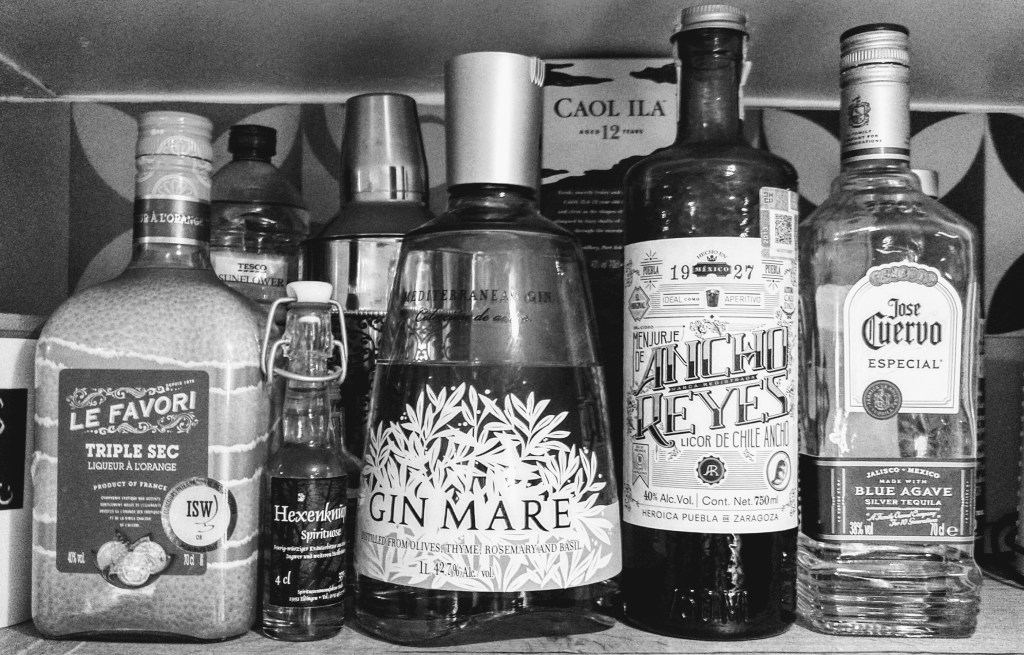
And by the way, didn’t I also want to cut down on alcohol? I was doing so well from May to August. What happened to that? Ah yes, affordable, quality red wine on every street corner happened.
Another old habit started to creep back in at the beginning of December: procrastination! “I’ll do that after Christmas”, “I’ll get onto that in January”. Certain points in the calendar can lead us easily back into comfortable corners of our mind, because of yearly rituals which trigger something biological in us. They trigger a highly replicated pathway in the brain.
The more we repeat an action or thought, the more we use a specific neurological pathway. When the brain uses the same path over and over, the neurological connections in that pathway become highly efficient. The more efficient the pathway is, the more likely the brain will default to using it. If your brain has a choice between taking a highway or bumbling down a country road, it will take the highway, every time. This process is known as hard wiring. The more a behaviour is hard wired, the stronger is the habit, or inclination to do something by default rather than conscious decision.
The driving force behind most of our habits is the perceived reward they bring. If we do something that results in a release of endorphins, then (yahtzee!) we feel good. We are, in the majority, on a mission to feel good. Lots of great things happen in our bodies when we feel good, so it’s no surprise that we easily form habits around getting a big helping of endorphins.
The tricky part, is that what causes a spontaneous release in endorphins is not necessarily good for us long-term. Enter sugar, caffeine, TV, alcohol, other recreational drugs, gambling, shopping and fishing. Just kidding. Fishing is fine, as long as you’re not the fish. So now we’re stuck between the biological drive to get a hit of endorphins, and the conscious knowledge of what behaviours are sustainable, healthy habits. (To hear Mark Adams dive into this further, click here.)
But wait, there’s hope.
You can create a “healthy addiction” if you find something positive that gives you a big endorphin release. You can also repeat a healthy habit that despite not giving an instant endorphin release, in time delivers the coveted good feeling in a way that satisfies the brain.
I’m highly addicted to surfing, which has at times given me such endorphin boosts that I’ve put up with all sorts of discomfort in pursuit of the next set of waves. I’ve known painfully frozen appendages while standing on a snowy beach in Scarborough. I’ve suffered recurrent, unrecommended sunburns after endless sessions during a Cornish summer. I’ve peeled myself out of bed, pre-dawn, in order to drive hours of boring motorway miles. And every surfer knows the physical and mental battle of putting on a damp wetsuit on a cold morning to catch the tide at the perfect moment.
Many people are positively addicted to running. One of my least favourite forms of physical exercise! They can discuss the technicalities and nuances of running which elude me entirely. Others, cannot get off their road bikes until the Sunday sun has vanished behind the fields, while their wives lament the constant wearing of lycra tights around the house.
A healthy addiction can be the result of stumbling across an activity that ignites passion, whereas building a healthy habit often requires a smidgen of discipline until you find yourself doing it every day, carrot and stick free (well, maybe not carrot free…). I didn’t drag myself down to the beach every day against my will so that I might enjoy the benefits of surfing. But I may have to persevere eating quinoa egg salad for breakfast regularly to break my bacon and sausage habit.
Chiseling that neural pathway into a hardwired salad habit will take more repetition. Like Becca mentioned in the last post, January is a great time for “little nudges in the right direction”. But February is the month that favours those who have a strategy in place to change their habits. If you know your biology and how to use it for you, you can stop it working against you. Our habits are our values and beliefs put into action day after day, so they are ours to direct in a way that serves us.
So here are our 5 great tips to make that happen:
1. Know your weaknesses and avoid triggers. Make a list of every bad habit that you think you have and when or why you think they occur. Make sure to separate large ideas like ‘a bad diet’ into the individual foods that you want to reduce. Start recognizing and analyzing what the triggers are and when to be careful.
2. Have bite sized ambitions. Turning your entire diet and exercise habit upside down is unrealistic. Those kind of ambitions can lead to frustration and failure. Pick one or two of your list above and start there, start small. In practical terms 95% of a habit is the mental decision to take action. Once you’re there, adding more time, content, challenge etc is simple.
3. Add good habits instead of removing bad ones. It can be easier to commit to eating more fruit and veg, rather than cutting things out without having an alternative. Likewise, walking 10 minutes after work every day is easier to add than it is to reduce your time on the couch without having a replacement activity. The good will naturally displace the bad.
4. Know your unnecessary evils. I find it personally very difficult to cut out chocolate, but I can live without buying ice cream or chips (crisps for you UK readers). That way, I can commit to cutting out huge sources of unhealthy fats and sugars but I still retain some treats. Find your ‘unnecessary’ evil.
5. Advanced player: Commit in an irreversible way! You own a deep fryer!? That’s probably something to get out of your house and your life. You booked a cycling holiday? Then it’s time to get fit. Commitments like this will give you real reason to change but think it through before you sell your car in favour of an electric unicycle.
BONUS! 6. Listen to Ogie Shaw. He talks the most sense about healthy habits I’ve ever heard. Particularly; if you want it to be a habit, do it every day. And, never commit to any diet that you wouldn’t consider adopting permanently. Amen to that!
We strongly believe in creating and sharing Happy, Healthy, Human Habits-in short: H4. H4 is anything that takes us towards our healthiest, happiest self. The actions and thoughts we can repeat day by day to make the most of what we’ve got. Look for H4 popping up in the future to mark great habits for human health!
Now we want to hear about your habits, the good, the bad and the elusive! What habits do you want that you don’t have?
And as always, if you like this chat and you want more, please share the blog with your friends and make sure to subscribe.
 Basque in Health